
Upgrade your property with expert Flat Roof Insulation Manchester services designed to minimise heat loss and improve overall energy performance. Understanding the difference between warm and cold roof systems helps ensure the right insulation approach for your building type.Both options deliver improved thermal efficiency, reduced energy bills, and better indoor comfort, making your home more energy-efficient and compliant with modern standards.
Flat roofs are notorious for heat loss and condensation problems. Proper flat roof insulation transforms your extension, garage, or roof terrace into an energy-efficient, comfortable space.
A poorly insulated flat roof allows significant heat to escape from the property. By upgrading insulation, you can greatly improve thermal efficiency and reduce unnecessary heat loss. Homeowners in Manchester can typically save between £200–£500 per year on heating costs, depending on property size and usage patterns.
Flat roofs are highly vulnerable to interstitial condensation, which occurs when warm internal air meets cold roof surfaces. Over time, this can lead to timber decay, mould growth, and insulation failure. Properly installed insulation systems help control temperature differences and reduce moisture build-up, protecting the structural integrity of the roof.
Many homeowners may qualify for government-backed ECO4 funding, which can significantly reduce or fully cover the cost of flat roof insulation. Eligibility depends on property type, energy rating, and household criteria, making it an accessible upgrade for many UK homes.
Insulation helps stabilise roof temperatures, reducing repeated expansion and contraction caused by weather changes. This minimises stress on roofing materials and membranes, potentially extending the lifespan of a flat roof by 10–15 years when correctly installed and maintained.
Insulation installed above the structural deck, below the waterproofing. Entire roof structure stays warm. No condensation risk. Best for extensions and habitable spaces
Insulation installed between joists, above ceiling. Roof void ventilated. Risk of condensation if ventilation is inadequate. Suitable for garages and unheated spaces.
Warm roof is recommended for all habitable spaces. Cold roof is only suitable for unheated garages and storage areas.
The converted electricity powers your household appliances such as lighting, refrigerators, televisions, washing machines, and EV chargers. This reduces reliance on grid electricity and lowers energy bills.
Any excess electricity generated is exported back to the national grid. A smart meter records this export, and homeowners can earn payments through the Smart Export Guarantee (SEG) scheme.
Flat roof insulation performance depends heavily on the material used, the roof type (warm or cold), and the required thermal efficiency. We use a range of high-quality insulation boards designed to improve energy efficiency, prevent condensation, and extend roof lifespan.
U-Value: 0.15–0.18 W/m²K
PIR insulation boards are one of the most commonly used solutions for warm flat roof systems. They offer excellent thermal performance with a relatively thin profile, making them ideal where roof height is limited. These boards are lightweight, durable, and widely used in modern energy-efficient construction.
U-Value: 0.12–0.15 W/m²K
Phenolic insulation provides one of the highest levels of thermal efficiency available, making it suitable for high-performance retrofit projects. Its low thermal conductivity allows excellent insulation with minimal thickness, making it ideal where space is restricted or maximum efficiency is required.
U-Value: 0.20–0.25 W/m²K
Mineral wool is typically used in cold roof systems where insulation is placed between or beneath roof joists. It is a cost-effective solution that also offers excellent fire resistance and acoustic performance. Its breathable nature helps manage moisture when properly installed with ventilation layers.
U-Value: 0.18–0.22 W/m²K
XPS insulation is a strong, moisture-resistant material suitable for both warm and cold roof applications. It performs well in environments where exposure to moisture is a concern, such as flat roofs with potential condensation risk. Its high compressive strength also makes it suitable for load-bearing roof applications.
A warm roof system is designed to place insulation above the structural deck, keeping the entire roof structure warm and reducing heat loss. This is the most energy-efficient flat roof design used in modern buildings and retrofit projects.
The base layer is either timber or concrete. This forms the main structural support of the roof and may be existing or newly installed.
A vapour control layer is installed directly above the deck to prevent warm moist air from entering the roof structure. It is usually made of polythene or foil-faced material with sealed joints to ensure airtightness.
Rigid insulation boards such as PIR or phenolic foam are installed above the VCL. Thickness typically ranges from 100mm to 150mm depending on the required U-value (around 0.15–0.18). Joints are staggered to reduce thermal bridging.
A protective layer of 6–12mm plywood or OSB may be added above the insulation to improve impact resistance and provide a stable base for waterproofing.
The final layer is a waterproof covering such as EPDM rubber, felt, GRP fiberglass, or liquid waterproofing. This protects the roof from rain and weather exposure.
Step 1 — Prepare deck (clean, repair, prime) — remove old membrane, repair rotten timber
Step 2 — Install vapour control layer (sealed joints) — overlap and tape
Step 3 — Install insulation boards (staggered joints) — mechanical fixings or adhesive
Step 4 — Install cover board (if specified) — screw fixed
Step 5 — Install waterproof membrane — torch-on felt, EPDM, or liquid
Step 1 — Clear existing insulation (if present)
Step 2 — Install insulation between joists — friction fit or netting
Step 3 — Ensure ventilation gaps at eaves — 25mm minimum
Step 4 — Install vapour control layer below insulation — polythene sheet
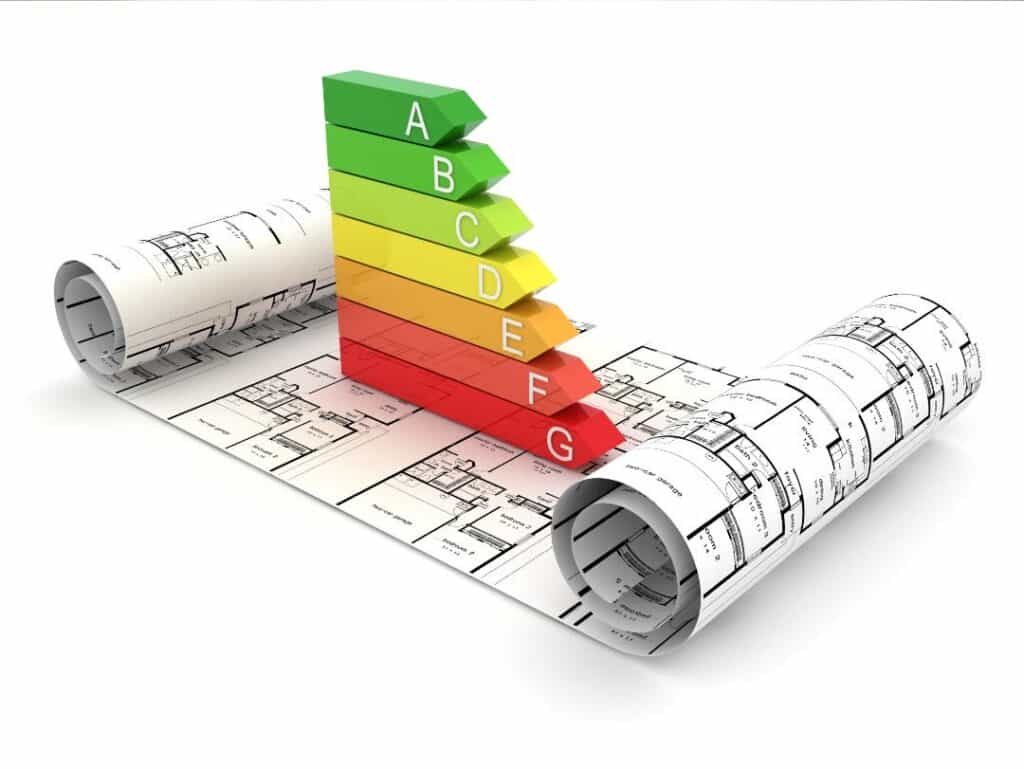
The cost of flat roof insulation in Manchester depends on the roof size, insulation method (warm or cold roof), and the materials used. Warm roof systems are more expensive due to higher performance and additional layers, but they provide significantly better long-term energy savings.
Ideal for small extensions, garages, or porches. Cold roof systems are more affordable, while warm roofs offer better thermal efficiency.
Common size for standard residential extensions. Warm roof systems are recommended for better condensation control and energy performance.
Suitable for larger homes or full roof replacements. Warm roof systems provide maximum efficiency and long-term durability.
Choosing a certified, professionally installed solar system ensures better performance, regulatory compliance, and maximum long-term financial savings.

| Property Type | Typical Areas | Basic Renovation | Mid-Spec Renovation | High-Spec Renovation |
|---|---|---|---|---|
| Terraced House (2–3 bed) | Levenshulme, Burnage, Withington | £40,000–£60,000 | £60,000–£80,000 | £80,000–£120,000 |
| Semi-Detached (3–4 bed) | Stockport, Oldham, Droylsden | £50,000–£80,000 | £80,000–£120,000 | £120,000–£180,000 |
| Detached (4–5 bed) | Bramhall, Didsbury, Hale | £80,000–£120,000 | £120,000–£180,000 | £180,000–£250,000+ |
Choosing the right contractor is essential for ensuring your flat roof insulation performs efficiently, remains fully waterproof, and complies with current building standards. At Compliant Retrofits, we focus on delivering high-quality, regulation-compliant roofing systems designed for long-term durability and energy savings.
We specialize in warm roof construction, ensuring your roof is designed to prevent condensation, reduce thermal bridging, and maintain consistent internal temperatures throughout the year.
We handle the full ECO4 process, including eligibility checks and paperwork submission, helping eligible homeowners access fully funded or subsidized insulation upgrades with minimal hassle.
All waterproof membranes are installed by trained and certified professionals using EPDM, GRP, felt, or liquid systems to ensure complete weather protection and long-lasting performance.
Our pricing is fully transparent with no hidden charges. You receive a clear, upfront quotation based on your roof size and system requirements.
We provide a no-obligation survey and consultation to assess your property and recommend the most suitable flat roof insulation system for your needs.
A: Warm roof has insulation above the deck, keeping the whole roof structure warm. Cold roof has insulation between joists with ventilation above. Warm roof is recommended for habitable spaces.
A: Warm roof is recommended for habitable spaces. No condensation risk and better thermal performance. Cold roof is only suitable for unheated garages and storage areas.
A: 20-30 years for warm roof systems with proper maintenance. Roof membrane may need replacement after 15-20 years.
A: Yes, if you receive qualifying benefits or meet ECO4 Flex criteria. Contact us for a free eligibility check.