
An air source heat pump (ASHP) extracts heat from the outside air to warm your home and hot water. It is a low-carbon alternative to gas boilers, eligible for a £7,500 government grant.
Heat pumps are 300-400% efficient — for every 1 unit of electricity, they produce 3-4 units of heat. A gas boiler is 85-92% efficient. Running costs: heat pump £700-£900/year vs gas boiler £800-£1,000/year (standard tariff) or £500-£700/year (off-peak tariff).
The Boiler Upgrade Scheme (BUS) provides £7,500 towards installation costs. Off-gas properties (oil or LPG) get £9,000. Grant is deducted from your quote — you don’t claim it back.
Heat pumps produce zero direct emissions. With renewable electricity, they are nearly carbon neutral. Reduce your home’s carbon footprint by 50-70% compared to a gas boiler.
No oil tanks, no gas pipes, no LPG cylinders. Just electricity. No need to monitor fuel levels or arrange deliveries.
No oil tanks, no gas pipes, no LPG cylinders. Just electricity. No need to monitor fuel levels or arrange deliveries.
Some heat pumps can reverse cycle to provide cooling in summer — replace separate air conditioning.
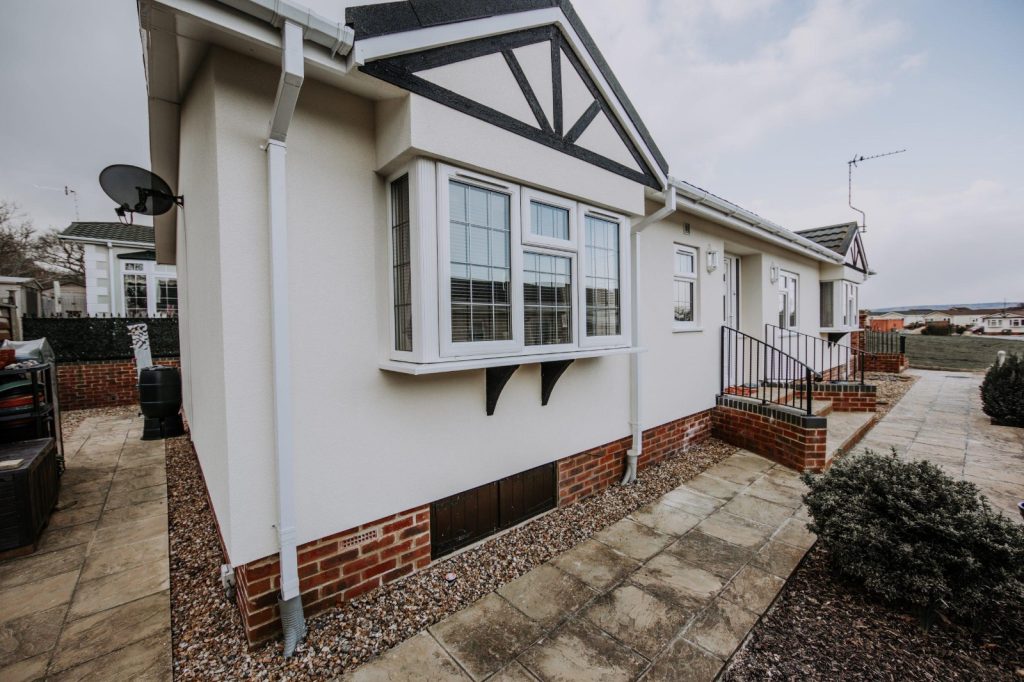
An ASHP absorbs heat from outside air (even at -15°C) and compresses it to a higher temperature for heating.
A fan draws outside air over refrigerant fluid inside the outdoor unit. The refrigerant evaporates at low temperature, absorbing heat from the air.
The refrigerant gas is compressed by the heat pump’s compressor. Compression raises the temperature significantly (to 50-70°C).
The hot refrigerant passes through a heat exchanger (plate heat exchanger), transferring heat to your central heating water (radiators or underfloor heating).
The refrigerant expands, cooling back to liquid, and the cycle repeats. The cold liquid is ready to absorb more heat from outside air.
Heat pumps work best with good insulation and larger radiators or underfloor heating. They produce lower water temperatures (40-55°C) than boilers (60-75°C). Homes with poor insulation will have higher running costs.
Modern heat pumps work effectively in well-insulated homes. Older homes may require insulation upgrades first (loft, cavity wall, solid wall) — we can help with ECO4 funding.

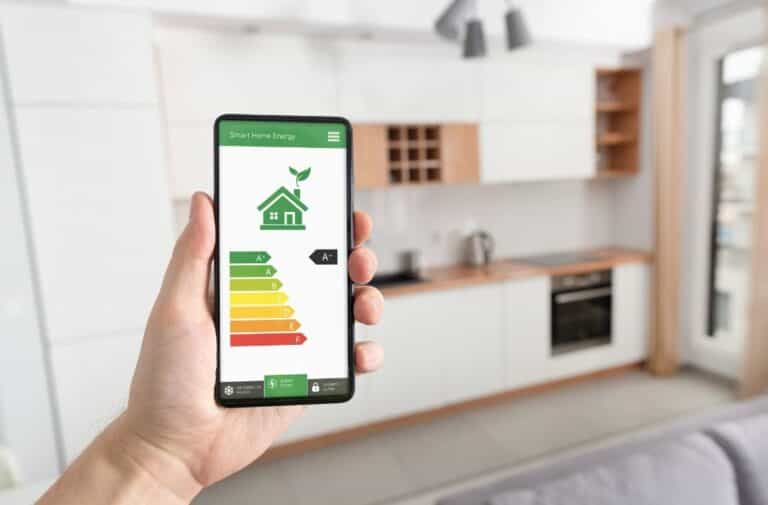
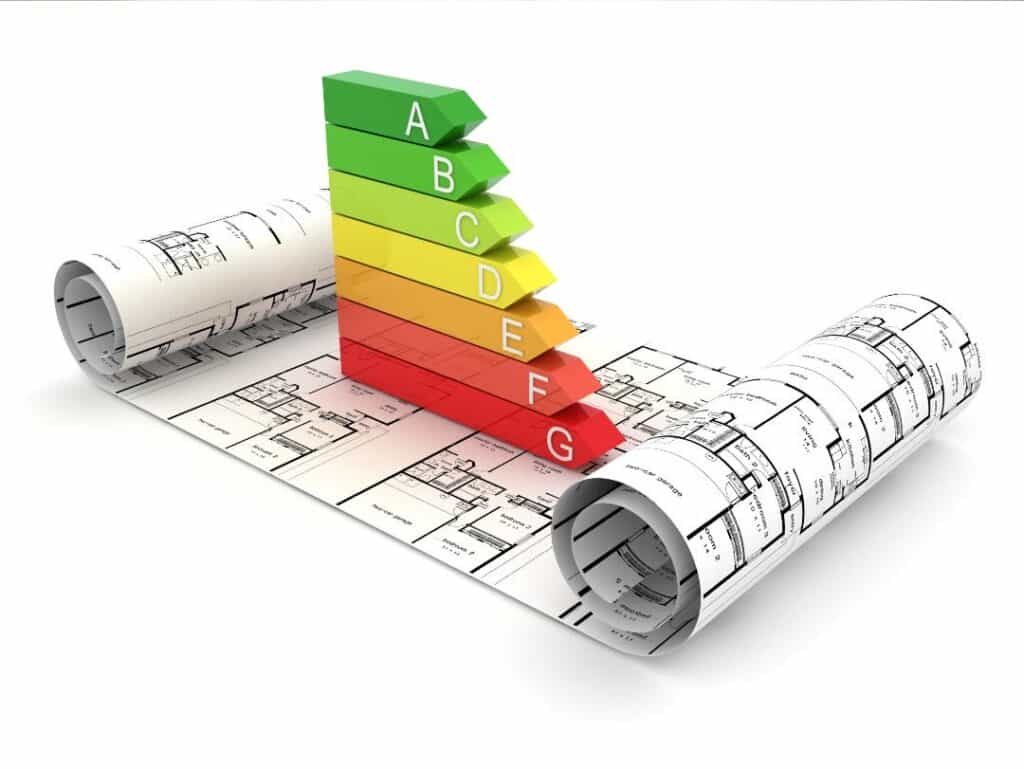
We assess your property's insulation, heating system, and suitability for a heat pump. Check EPC for insulation recommendations.
We design the system — heat pump sizing (based on heat loss calculation, typically 5-12kW for a Manchester home), radiator or underfloor heating requirements, hot water cylinder sizing.
We commission the system, set controls, and register for BUS grant (we handle all paperwork).
The cost of installing an air source heat pump in Manchester depends on the property size, system capacity, insulation level, and whether the home is connected to mains gas or off-grid. The Boiler Upgrade Scheme (BUS) provides a £7,500 grant for most properties and up to £9,000 for off-gas homes, significantly reducing installation costs.
| Property Type | System Size | Cost Before Grant | BUS Grant | Your Cost After Grant | Best For |
|---|---|---|---|---|---|
| Standard (Mains Gas) | 5kW System | £7,000–£9,000 | £7,500 | £0–£1,500 | 1–2 bed flats & small terraces |
| Standard (Mains Gas) | 8kW System | £8,000–£11,000 | £7,500 | £500–£3,500 | Typical 3 bed Manchester homes |
| Standard (Mains Gas) | 12kW System | £10,000–£13,000 | £7,500 | £2,500–£5,500 | Large 4+ bed detached homes |
| Off-Gas (Oil/LPG) | 8kW System | £8,000–£11,000 | £9,000 | £0–£2,000 | Oil/LPG 3 bed semi homes |
| Off-Gas (Oil/LPG) | 12kW System | £10,000–£13,000 | £9,000 | £1,000–£4,000 | Large off-grid properties |
Note: Final cost depends on property condition and insulation type selected
At Compliant Retrofits, we provide complete air source heat pump solutions designed to maximise efficiency, reduce heating bills, and ensure full compliance with UK government grant schemes. Our installations are built around performance, reliability, and long-term energy savings.
We follow full MCS-compliant installation standards, ensuring your system meets the requirements for the Boiler Upgrade Scheme (BUS) and other government incentives. (Certification in progress, all systems installed to compliant standards.)
We handle the entire Boiler Upgrade Scheme process, including eligibility checks, application submission, and documentation. This means you don’t need to deal with paperwork — we manage everything for you.
We design integrated heating solutions that combine insulation upgrades and heat pump installation to maximise efficiency, reduce heat loss, and improve overall system performance.
All pricing is fully upfront with no hidden costs. You receive a clear, tailored quotation based on your property size, heat demand, and system requirements.
We provide a no-obligation assessment to evaluate your property, confirm BUS grant eligibility, and recommend the most efficient heat pump system for your home.
A: £0-£5,500 depending on system size and property complexity. Most Manchester 3-bed semis cost £500-£3,500 after the £7,500 grant.
A: Heat pumps work best with larger radiators (or underfloor heating). Your existing radiators may be suitable if they are already large (e.g., Type 22 rather than Type 11). We assess and advise during the site survey.
A: Yes. Modern heat pumps operate effectively down to -15°C. Manchester’s winter temperatures rarely drop below -5°C for extended periods.
A: 15-20 years with proper maintenance. Boilers typically last 10-15 years. Heat pumps have fewer moving parts and are more reliable.
A: Most homes are suitable. We assess insulation, radiators, and space during a free site survey
A: Yes. The BUS scheme provides £7,500 (£9,000 for off-gas). No income limit. Available to all homeowners.