
A battery storage system stores excess solar energy generated during the day for use at night or during peak demand times. This helps you maximise the value of your solar panels by using more of your own renewable energy instead of exporting it to the grid.
It also reduces reliance on expensive grid electricity, lowers energy bills, and improves overall energy efficiency. Battery storage provides greater energy independence and ensures you get the most out of your solar investment.
Without a battery, typical homes use 30-50% of generated solar electricity (the rest is exported to the grid for a small SEG payment). With a battery, usage increases to 70-90%. You use your own free electricity instead of buying from the grid.
Use stored solar energy during peak rate hours (4-7pm when electricity is most expensive). Avoid expensive grid electricity at night. Typical saving: £200-£400 per year additional to solar savings.
Some battery systems provide backup power during grid outages — keep lights, fridge, internet, and phone chargers running. Essential for homes with vulnerable residents or home offices.
Using stored solar energy reduces reliance on grid electricity, which may come from fossil fuels. Maximise your renewable energy usage.

Solar panels generate direct current (DC) electricity from sunlight. This electricity is then converted into alternating current (AC) by an inverter so it can be used to power your home appliances. Any excess energy that is not used immediately is directed into a battery storage system, where it is stored for later use.
When your solar panels are not producing electricity—such as during the evening, night-time, or cloudy periods—the stored energy in the battery is released to power your home. This reduces your dependence on the grid, improves energy efficiency, and ensures you make full use of the electricity your system generates.
During daylight hours, solar panels generate direct current (DC) electricity from sunlight. This electricity is immediately converted into alternating current (AC) through an inverter so it can power household appliances and devices.
Any excess electricity that is not being used in the home is directed into the battery system for storage. Once the battery reaches full capacity, any remaining surplus electricity is exported to the national grid through the Smart Export Guarantee (SEG), allowing homeowners to earn value from unused energy.
As the sun sets and solar generation decreases, the system automatically switches to battery power. The stored electricity is released from the battery to run household appliances, lighting, and essential systems.
This reduces the need to buy electricity from the grid during peak evening hours, when energy costs are typically higher, helping to lower overall energy bills.
During the night, when there is no solar generation, the battery continues to supply electricity until it is depleted. Depending on battery size and household usage, this can typically last between 2 to 5 hours or longer in efficient systems.
Once the battery is empty, the home automatically draws electricity from the national grid without interruption, ensuring a continuous power supply.
In the early morning, before solar production begins, the system may either continue using grid electricity or, in homes with time-of-use tariffs, recharge the battery during off-peak, lower-cost electricity periods.
Once sunlight returns, solar generation resumes and the cycle begins again, ensuring a balanced and efficient energy flow throughout the day.
Retrofit to existing solar systems. Works with any existing inverter. Most common for existing solar owners. Easier installation, no changes to existing solar system. Efficiency: 90-92%.
Installed alongside a hybrid inverter. More efficient (94-96%) but requires compatible inverter. Best for new solar installations where you can specify the right inverter from the start.
Charged from grid at cheap rate (e.g., Economy 7, overnight EV tariff), discharged during peak. No solar required. Best for homes that cannot install solar (shaded roof, flat roof, listed building)
Battery size depends on your household energy usage, solar panel output, and daily consumption patterns. Most homes in Manchester typically benefit from a 5kWh to 10kWh system for balanced efficiency and cost savings.
A proper assessment ensures the battery is correctly sized to maximise self-consumption and reduce reliance on the grid.
Battery size should match your evening and night usage (typically 5-10kWh for most Manchester homes). Larger batteries provide longer backup but may not fully charge in winter.
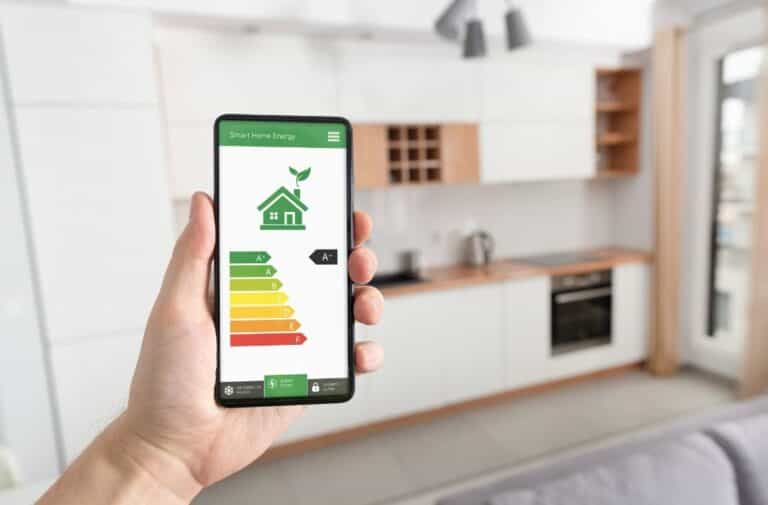
We assess your solar system (or design new system), energy usage patterns, and storage needs.
We specify battery size, type (AC/DC coupled), and installation location (garage, utility room, outside wall).
For AC-coupled (retrofit):
For DC-coupled (new solar):
Typical installation: 1 day for AC-coupled, 2 days for DC-coupled.
We commission the system, configure charge/discharge settings (time-of-use tariffs, backup reserve), and provide monitoring app access.
Battery storage costs in Manchester depend on system size, brand, storage capacity, and whether the system is integrated with solar PV. Larger systems provide greater energy independence and better long-term savings
Best for basic energy storage needs, allowing homeowners to store excess solar energy for evening and night-time use, reducing reliance on the grid.
Most popular option for UK households. Offers strong balance between cost, capacity, and energy independence, ideal for daily solar storage and peak-time usage reduction.
Designed for high energy users or homes with EV charging. Provides maximum solar self-consumption, backup capability, and grid independence.
If your Manchester property is listed (Grade I, II*, or II), you will need Listed Building Consent for most loft conversions. We specialise in traditional buildings and can guide you through the consent process.
| System Size | Example Systems | Typical Cost | Suitable Home Size | Best Use Case |
|---|---|---|---|---|
| Small (5kWh) | GivEnergy 5.2kWh, SolarEdge 5kWh | £3,000–£5,000 | 2–3 bed homes | Basic solar storage for daily use |
| Medium (10kWh) | GivEnergy 9.5kWh, Tesla Powerwall 13.5kWh | £5,000–£8,000 | 3–4 bed homes | Balanced energy storage & night usage |
| Large (15kWh+) | GivEnergy 13.5kWh + expansion, Tesla Powerwall 2 | £8,000–£15,000 | 4+ bed homes / EV users | Maximum solar independence & EV charging |
VAT at 0% for battery storage installed with solar panels (5% for standalone battery).
At Compliant Retrofits, we deliver high-performance battery storage systems designed to maximise solar efficiency, reduce grid dependence, and improve long-term energy savings for UK homeowners.
Our battery storage systems are designed to work seamlessly with solar PV installations, ensuring optimal energy capture, storage, and usage throughout the day and night for maximum efficiency.
We install high-performance batteries from leading manufacturers including GivEnergy, Tesla, and SolarEdge. These systems are built for reliability, safety, and long-term energy storage performance.
We offer clear, upfront pricing with no hidden costs. Every quote is tailored to your property size, energy usage, and system requirements.
Any government-backed funding schemes such as ECO4 are subject to eligibility checks and apply only to qualifying energy efficiency measures, not full loft conversion works.
We provide a no-obligation assessment to evaluate your solar and battery compatibility, estimate savings, and recommend the most efficient storage solution for your home.

A: Yes. AC-coupled batteries work with any existing solar system, regardless of inverter type.
A: 10-15 years, depending on usage pattern and battery chemistry (lithium iron phosphate or NMC). Typical warranty: 10 years or 6,000-10,000 cycles.
A: Batteries are most cost-effective with solar panels. Without solar, charging from the grid (even at off-peak rates) may have a longer payback (8-12 years).
A: Only with additional equipment (EPS or hybrid systems with islanding capability). Standard batteries shut down during grid outages for safety. We advise on backup options.
A: Battery storage is not covered by ECO4 or BUS. However, VAT is 0% when installed with solar panels (5% for standalone). Some local authorities offer interest-free loans.