
Solar panels (photovoltaic / PV systems) convert sunlight into electricity, reducing your reliance on the grid and lowering your energy bills. With energy prices rising, solar power is a smart investment for Manchester homeowners.
Generate your own electricity. Reduce your annual energy bill by 50-70% with a properly sized system. A typical 4kWp system saves £600-£900 per year.
Export excess electricity to the grid through the Smart Export Guarantee (SEG). Earn money for every unit you don’t use. Typical SEG income: £100-£200 per year.
Solar electricity is clean and renewable. A typical home system saves 1-2 tonnes of CO2 per year.
Homes with solar panels sell faster and at higher prices. Buyers value lower energy bills. Studies show a 5-10% increase in property value.
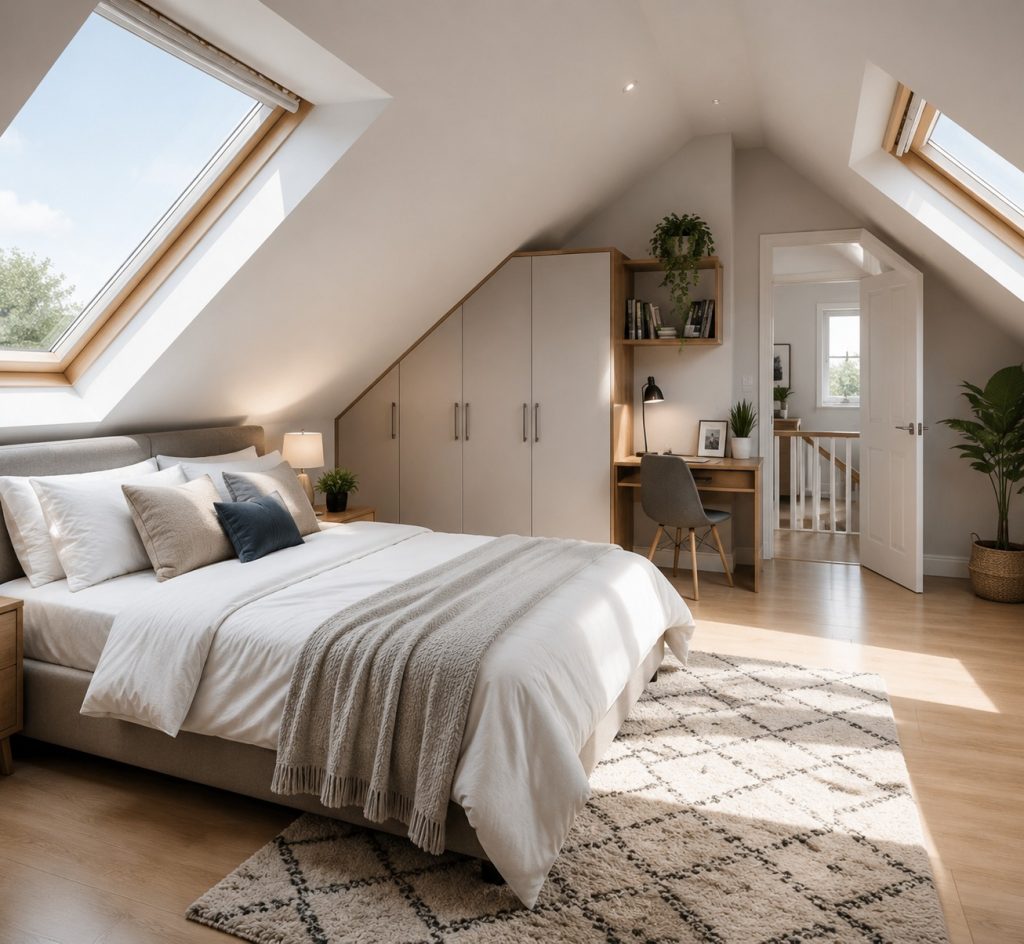
Solar PV (photovoltaic) panels are installed on your roof and convert sunlight into usable electricity for your home. They work even on cloudy days, making them a reliable renewable energy source for UK properties.
Solar panels absorb sunlight using silicon photovoltaic cells. These cells convert solar energy into direct current (DC) electricity, which is the first stage of power generation.
The DC electricity is then sent to an inverter, which converts it into alternating current (AC) electricity — the standard form used in your home. Systems may use a central string inverter or microinverters for improved efficiency.
The converted electricity powers your household appliances such as lighting, refrigerators, televisions, washing machines, and EV chargers. This reduces reliance on grid electricity and lowers energy bills.
Any excess electricity generated is exported back to the national grid. A smart meter records this export, and homeowners can earn payments through the Smart Export Guarantee (SEG) scheme.
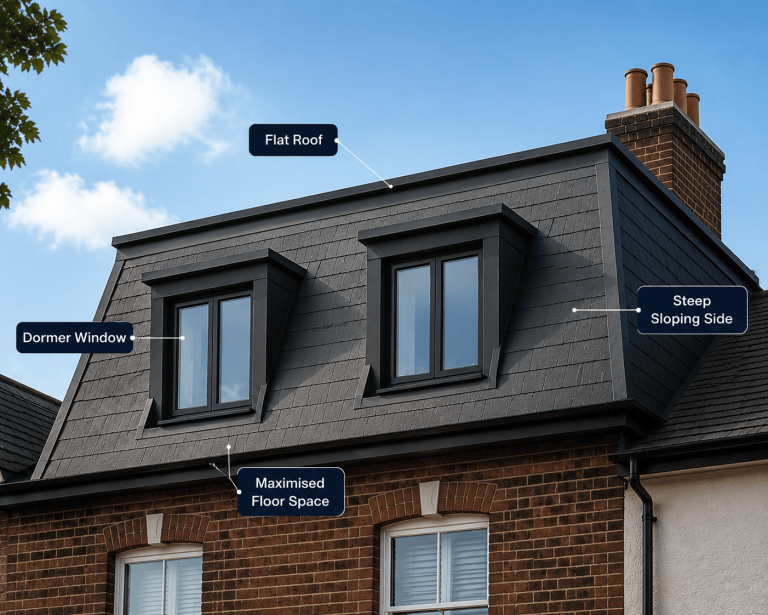
Panels only. Generate electricity during daylight hours. Most cost-effective option. Best for homes with daytime energy use.
Store excess electricity for use at night or during power cuts. Maximises self-consumption (70-90% vs 30-50% without battery). Best for homes with evening energy use
Generate solar electricity and charge your electric vehicle — free fuel from the sun. Requires solar-compatible EV charger.
Combine solar PV with an air source heat pump for maximum energy independence. Heat pump runs on your own solar electricity.
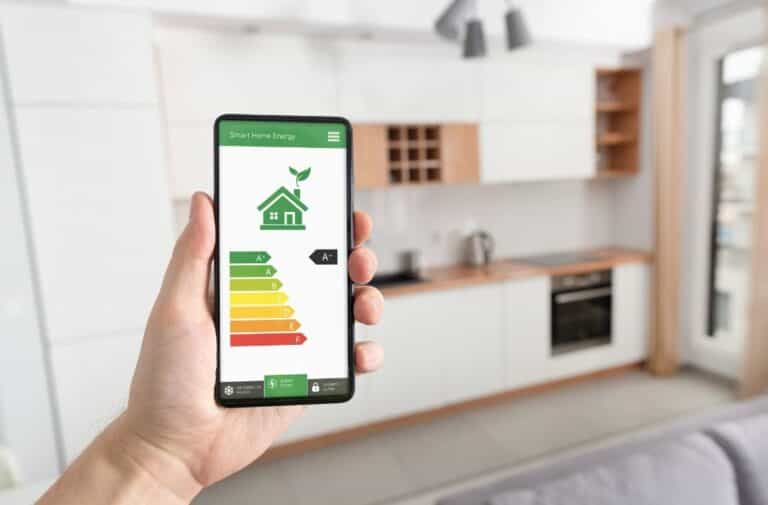
Store excess electricity for use at night or during power cuts. Maximises self-consumption (70-90% vs 30-50% without battery). Best for homes with evening energy use
We assess your roof orientation, pitch, shading, and electricity usage. Provide fixed-price quote.
We design a system optimised for your property — panel layout, inverter selection, and battery sizing.
Our team installs:
We commission the system, register it with your energy supplier for SEG payments, and provide MCS certification.
The cost of solar panel systems in Manchester depends on system size, roof space, energy usage, and panel efficiency. Larger systems cost more upfront but deliver higher energy savings and faster long-term returns.
Ideal for small homes or low electricity usage households. This system provides basic energy offset and helps reduce monthly bills.
Most commonly installed system in UK homes. It offers a strong balance between cost, output, and long-term savings.
Best for larger households with higher energy consumption or EV charging needs. Delivers maximum long-term savings and energy independence.
| Typical Installation | Annual Savings | Payback Period | CO₂ Reduction |
|---|---|---|---|
| 3kW System £4,000–£6,000 |
£400–£600 | 8–10 years | ~1.0 tonne/year |
| 4kW System £5,000–£7,500 |
£600–£900 | 7–9 years | ~1.5 tonnes/year |
| 6kW System £7,000–£10,000 |
£900–£1,400 | 6–8 years | ~2.0 tonnes/year |
Prices after VAT (0% for solar panels installed on residential properties).
Solar panel installations in Manchester must comply with UK electrical, building, and grid connection regulations to ensure safety, performance, and eligibility for export payments such as the Smart Export Guarantee (SEG).
Microgeneration Certification Scheme (MCS) certification is essential for accessing SEG payments and certain government incentive schemes. While certification may be pending, all installations are carried out following MCS-compliant standards to ensure quality, safety, and future eligibility.
All solar PV electrical work must comply with Part P of the Building Regulations, which covers electrical safety in residential properties. We handle all necessary notifications to building control to ensure full legal compliance.
Most rooftop solar panel installations fall under permitted development rights and do not require planning permission. However, properties in conservation areas, listed buildings, or protected zones may require approval. We assess your property and advise accordingly before installation.
Systems above 3.68kW per phase require notification to the local Distribution Network Operator (DNO). This ensures the grid can safely handle exported electricity. We manage all DNO applications and approvals on your behalf.
Compliance with MCS, Building Regulations, planning rules, and DNO requirements ensures your solar system is safe, legal, and eligible for export payments and long-term performance benefits.
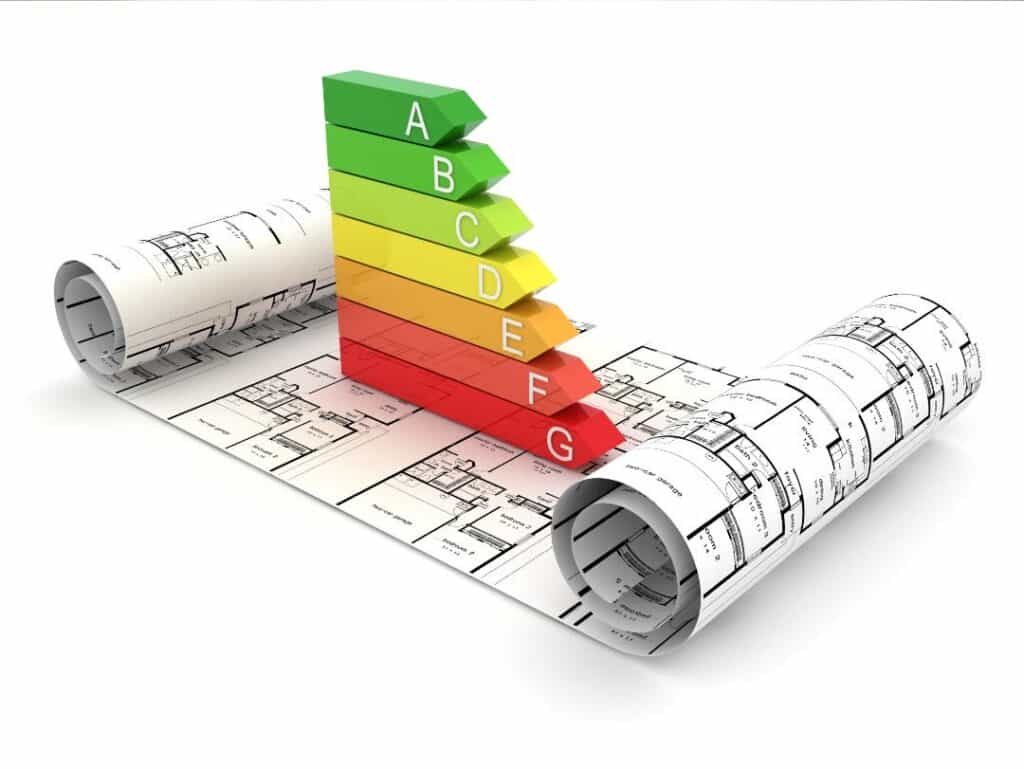
We use Tier 1 solar panels with up to 25-year performance warranties, paired with high-efficiency inverters for reliable energy conversion and long-term durability.
We handle the full Smart Export Guarantee (SEG) registration process, ensuring you can earn from excess electricity exported back to the grid without administrative stress.
We offer a no-obligation survey to assess your roof suitability, energy needs, and potential savings before providing a detailed quotation.
Choosing a certified, professionally installed solar system ensures better performance, regulatory compliance, and maximum long-term financial savings.

Book your free consultation today — we will assess your property and provide a fixed-price quote.
A: South-facing roofs are ideal, but east/west systems also perform well (typically 80-85% of south-facing output). North-facing roofs are not recommended.
A: Yes. Solar panels generate electricity in diffuse light, though at reduced output (typically 10-25% of full sun output). Manchester’s climate is fine for solar — Germany (similar climate) is a world leader in solar.
A: 25+ years. Panels degrade slowly — typically 0.5% per year. Inverter replacement needed every 10-15 years (£500-£1,000).
A: Not essential, but recommended. Batteries allow you to use solar electricity at night (70-90% self-consumption vs 30-50% without battery).
A: Energy suppliers pay you for excess solar electricity exported to the grid. Rates vary by supplier (typically 4-15p/kWh). We help you register.
A: ECO4 grants cover solar panels for eligible low-income households. The BUS scheme covers heat pumps, not solar. Contact us for a free eligibility check.